



Technical expertise you can rely on
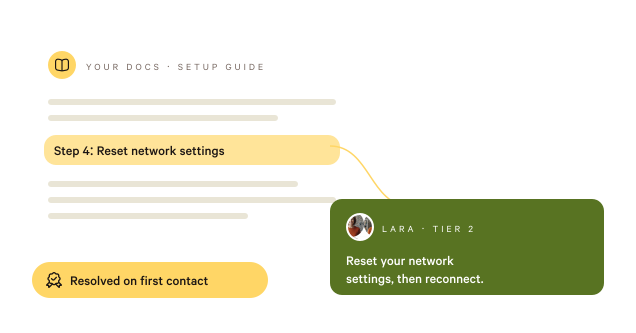
Pre-trained teams handle setup, configuration, troubleshooting, outages and account access, grounded in your documentation.

Extend your internal team with experienced technical support across US, EU and APAC time zones.
 Klarna Bank AB (departed 2024)
 AstroPay
 ClassPass black (departed 2020)
 Linktree - (in_service 2020)
 QSIC
 Devicie (in_service 2025)
 Saturn (in_service 2021)
 Endeavour Streaming
Pre-trained teams handle setup, configuration, troubleshooting, outages and account access, grounded in your documentation.

Linktree partnered with Influx to make CX simple & fast with 93% CSAT.
See our Linktree case study →

"The team combines deep technical expertise handling everything from complex network troubleshooting to rapid incident response with a genuine focus on relationships."
"Fast, on-brand support to customers with energy queries.
How we help energy & utilities →"
"The #1 health app helping people become their best selves.
See our YAZIO case study →"
We provide end-customer technical assistance specifically for your product or service platform, including setup, configuration, troubleshooting, and usage guidance. Our agents are trained on your specific offering, including providing general IT support via Custom Recruitment.
This means helping your customers get started with your software, guiding them through your platform's features, diagnosing usage issues, and answering "how do I..." questions related to what you sell.
We focus on remote technical guidance to ensure your customers can effectively use what they purchased from you.
We can support hardware products through remote guidance and troubleshooting, including helping customers with installation, setup, configuration, firmware updates, and basic usage issues. Our agents guide customers through your hardware's features and resolve common problems using your documentation and troubleshooting flows.
However, we cannot perform physical repairs, replacements, or hands-on servicing. Issues requiring device inspection, component replacement, or manufacturing defect diagnosis get escalated back to your RMA or repair process.
For hardware support, we focus on helping customers successfully use your product through remote assistance - walking them through setup procedures, explaining features, and solving software-related issues that don't require opening the device.
We use a playbook-driven training approach where you provide (or co-create with us) product manuals, troubleshooting flows, and escalation rules specific to your offering. Our agents study your documentation, learn your product's features and common issues, and practice using your support processes.
Influx uses a ‘train the trainer’ approach, so once you train an Influx team leader (usually during initial onboarding), we record this knowledge and provide all ongoing training and performance improvement for the team.
During onboarding, we work with you to define which tasks our agents can handle remotely versus what requires escalation back to your internal team. This ensures agents understand the boundaries of their support role and when to involve your technical experts.
The training focuses entirely on your product rather than generic technical skills, so agents become specialists in helping your customers specifically, including general IT support representatives if Custom Recruitment was used.
Influx provides a managed technical support solution. You’re connecting to a complete technical support operation including multiple lines of management, ensuring consistent technical support once you’ve trained us initially.
Our agents handle common user issues like setup guidance, configuration questions, feature explanations, basic troubleshooting steps, and "how to" questions about your product. They follow your documented processes to resolve typical customer problems remotely.
We escalate issues that require backend system access, advanced technical diagnosis beyond your standard troubleshooting flows, product bugs or defects, account-level changes requiring authorization, or anything involving physical hardware inspection and repair.
Yes, guiding customers through setup and onboarding is a core part of our technical support service. Our agents help new customers get started with your product by walking them through installation procedures, initial configuration steps, and basic feature orientation.
This includes explaining setup requirements, troubleshooting common installation issues, helping customers configure their preferences, and ensuring they understand how to access and use your product's main features. We follow your specific onboarding processes and documentation to provide consistent guidance.
Our agents focus on making sure customers have a successful first experience with your product, reducing early frustration and improving adoption rates through clear, step-by-step assistance during those critical first interactions.
When customers have issues requiring physical repairs, component replacements, or hardware defects that can't be resolved through remote troubleshooting, our agents escalate these cases back to your internal RMA or repair process.
Our agents can guide customers through initial diagnostic steps to determine if the issue is hardware-related, but they cannot perform hands-on repairs or guarantee physical fixes. They'll collect relevant information about the problem and follow your escalation procedures to connect customers with your warranty or repair services.
This ensures customers get the right level of support - remote guidance for issues our agents can solve, and proper technical or warranty support for problems requiring physical intervention or specialized diagnosis beyond remote troubleshooting capabilities.
You are responsible for notifying us about new features, product updates, or changes to your support processes. When you inform us of these changes, we update our agent training materials and playbooks to reflect your latest product version.
The update process involves reviewing the information you provide, modifying our training materials accordingly, and briefing agents on the changes before they start supporting the new features. We rely on your team to communicate what's changed and how it impacts customer support needs.
This ensures agents can help customers with new features, but requires proactive communication from you about product updates. Without notification from your team, agents won't be aware of new functionality and may provide outdated guidance to customers.
Our agents are trained specialists who learn your specific product through your documentation and processes rather than having general technical degrees or certifications. They become proficient in your product's features, common issues, and troubleshooting steps by studying your materials and practicing with your platform.
This focused training approach often works better than relying on broad technical knowledge that may not apply to your specific product. Agents develop deep expertise in your particular offering rather than surface-level knowledge across many technologies.
For highly complex products, we work with you during onboarding to ensure the support tasks are appropriate for trained agents with clear documentation and well-defined escalation paths to your technical team when needed.
We need comprehensive product documentation including user manuals, setup guides, troubleshooting flowcharts, and common issue resolution steps. We also require clear escalation rules defining what agents can handle versus what gets transferred to your internal team.
Additional helpful materials include FAQ documents, feature explanations, configuration guides, and examples of typical customer interactions with your product. Video demonstrations or training materials you use internally can also accelerate the learning process.
Most importantly, we need access to your actual product or platform so agents can practice and become familiar with the user experience. This hands-on familiarity combined with your documentation creates the foundation for effective customer support that matches your standards and expectations.
Technical support focuses specifically on helping customers use your product or platform effectively, while regular customer service handles broader inquiries like billing, account issues, order status, and general questions about your business.
Technical support agents are trained on your product's features, setup procedures, configuration options, and troubleshooting steps. They guide customers through "how to" questions, resolve usage problems, and help with onboarding. Regular customer service agents handle transactional support and general business inquiries.
The key difference is depth of product knowledge - technical support agents become specialists in your specific offering and can solve complex usage issues, while customer service agents provide broader support across your entire customer relationship but with less technical depth.
Many of our clients use a combination of technical support and customer support, both managed via a single point of contact, 24/7. You work with your single point of contact while Influx managers ensure consistent technical support AND customer support, specific to your product and business.
Yes, we follow any process you give us including upselling and onboarding. Many of our clients work with us to catch disengaged users early, then we help their users utilize more aspects to the product faster via a 1:1 onboarding and training mechanism.







 6 Circle - small.png)